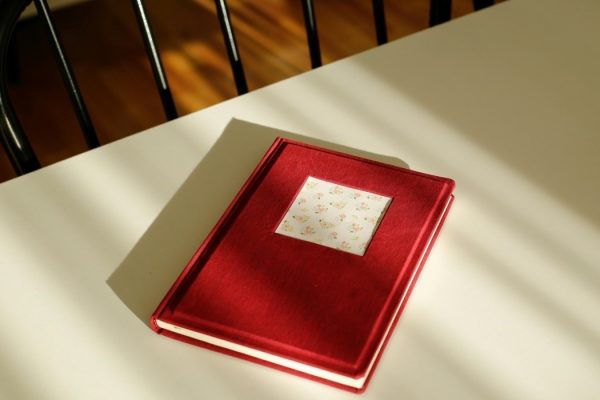
Keeping a reading journal is a proven way to improve your memory and process what you read. Research shows that people who write about what they read remember more information than those who do not. It also helps you understand your own thoughts and feelings by giving you a private place to react to new ideas. This article provides a comprehensive list of everything you can include in your reading journal to make it a valuable record of everything you read.
What is a Reading Journal?
A reading journal is a dedicated space where you record information from the books and your thoughts about the books you read. In this journal, you write down things like the key messages, what you learned from a specific chapter, questions that arise while reading, and which parts of the book were most important to you. It serves as a record and a helpful reminder of the books you read. You can look back at it months or years later to see how your opinions and interests have changed over time.
What to Write in a Reading Journal?
If you are new to book journaling, you might wonder what to put on the page. You don’t need to write long essays. You can use simple bullet points or short paragraphs. Here are the basic pieces of information you can include:
First Entry: The Basic Facts
When starting a new book, note down the basic details of the book. This helps you stay organized and allows you to look back and easily find basic info about the books you read and wrote about.
Book Identity:
- Title
- Full name of the author
- Genre
- Original publication year
- Publisher
- Translator (if it’s a translation from another language)
- Page count
Reading Dates: Record the exact day you started the book and the day you finished it.
Exploring the Background of the Book
Knowing about the person who wrote the book can change how you understand the text. You can look up the author’s background, where they grew up, and what events in their life influenced their writing. Recording these facts in your journal provides context for the ideas presented in the book.
Author Biography: Research where the author was born, their education, and what they did before they became a writer. Note down the info you find interesting.
Historical Setting: If the book is old, write about what was happening in the world during the year it was published, and to which literary period it belongs.
Author’s Goal: Look for interviews or articles where the author explains the purpose behind writing the book.
Other Works: List other books by the same author that you might want to read later.
Awards: Note if the book won any prizes or special recognition.
Reading Journal Entries
This is the core of your reading journal; there are many details you can include to make your journal more informative. Adding more depth to your entries helps you engage with the material on a much higher level. Here are some ideas to help you write about the books you read.
Personal Thoughts
Whenever you get a new thought or insight while reading, write it down. Write your honest reactions to the book. Make comparisons and parallels to your own life, or the life of someone you know. Connect ideas from the book to similar ideas they remind you of, and compare them against the conflicting ideas you can think of.
Favorite Sentences
When you find a sentence that you find interesting or helpful, write it down exactly as it appears in the book. This allows you to keep the best parts of the book from being forgotten.
New Words
If you find a word you don’t know, write it down and look up the definition. This is a very effective way to improve your vocabulary over time.
Short Summary
Practice your writing skills by condensing the entire book into a few sentences. Focus on the main conflict or the central argument. This requires you to identify the most important parts of the work and helps you remember the book’s overall structure later on.
Lessons Learned
Every book contains lessons or messages. While you read the book, note down new lessons you come across, and at the end, write a paragraph summing up what the book taught you about life, people, or a specific subject. Writing down these lessons makes them more likely to stick with you and have a positive influence on your daily choices and actions.
Different Approaches for Different Books
The way you journal should change depending on the type of book you are reading. Fiction and non-fiction offer different types of information and require different methods of reflection.
Specific Entries for Fiction Books
When you read fiction, you are engaging with characters and stories. Your journal can help you explore these creative elements in detail.
Character Traits: List the names of the characters and describe their personalities and motivations. Note how the main character changes from the beginning to the end.
Plot Structure: Write about the main problem in the story and how the characters try to solve it. Setting Details: Describe the time and place where the story happens.
Favorite Dialogues: Write down specific conversations between characters that you found interesting.
Predictions: Halfway through the book, write down what you think will happen at the end.
Themes: Identify the big ideas in the story, such as bravery, family, or honesty.
Alternate Ending: Write a paragraph about how you would change the end of the story.
Specific Entries for Non-Fiction Books
Non-fiction is about facts, arguments, and learning new things. Your journal entries here should be more structured and focused on the information provided.
Key Takeaways: List the most important facts or arguments the author makes.
Action Steps: Write down a list of things you want to do or change in your life based on the information you learned.
New Vocabulary: List words you did not know and write down their meanings.
Questions: Write down things you still have questions about or parts you found confusing.
Citations: Note other experts or books the author mentions so you can find them later.
Fact-Checking: Record any information you’re not sure of to look up and see if other sources agree.
Personal Disagreements: Note any parts of the author’s argument that you did not find convincing.
Tracking Your Rating and Recommendations
To help you organize your journal further, you can develop a system to judge the quality and preferences of what you read.
Personal Rating: Use a simple star system to show how much you liked the book. This makes it easy to look back and see which books were your favorites.
Recommendation Status: Write down whether you would suggest this book to a friend or family member.
Comparison to Other Works: Mention how this book compares to others you have read by the same author or on the same topic. This helps you build a broader understanding of different genres and subjects.
Personal Growth and Observations
Your reading journal is also a record of your own life. Use it to track how you change as you read different books.
Emotional Response: Describe how the book made you feel. Were you happy, sad, bored, excited, or frustrated?
Personal Connections: Write about how the events in the book remind you of your own life experiences.
Best Quotes: Copy your favorite sentences exactly as they are written in the book. Then write why it’s meaningful to you.
Creative Layouts and Visual Tools
You can use different visual methods to organize the information in your journal and make it more interesting to look at.
Mind-Maps: Draw a circle in the middle of the page with the main idea of the book. Draw lines coming out of the circle to other circles that contain related themes, characters, or facts. This shows how all the ideas are connected.
Color Coding: Use different colored pens for different types of information, such as blue for facts and red for your personal feelings.
Index and Numbering: Number your pages and create an index at the front of your journal so you can find specific books quickly.
Symbols: Use small icons like a lightbulb for a new idea or a heart for a part you loved.
A reading journal gives you an outlet to express yourself and record the knowledge you find in books. Use any combination of these ideas to create a journal that works for you. As you fill your journal, you will start to see patterns in the types of stories and topics you enjoy. You will also notice how your ability to express your feelings through writing becomes easier.