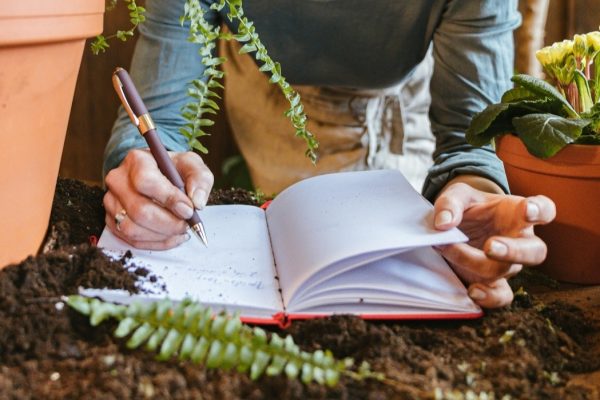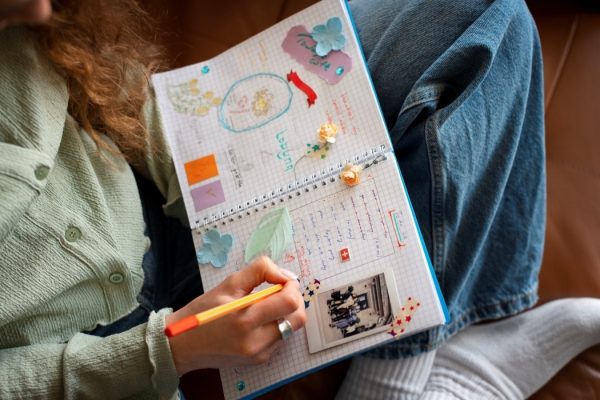
Gratitude is not just a nice idea; it’s a mental exercise that increases dopamine and serotonin, which helps you build emotional resilience and discipline.
Dr. Robert Emmons, a leading expert on the science of thankfulness, in his study found that people who keep a gratitude journal feel happier than those who don’t. His research shows that this habit helps you sleep better, gives you more energy, and even motivates you to exercise more. People who practice gratitude are also more likely to reach their personal goals and feel less lonely.
In this article, you will find ten creative ways to express your gratitude without feeling indifferent or getting bored.
10 Creative Ways to Practice Gratitude
1. “Imagine Your Life Without It”
This is also called “Mental Subtraction.” Instead of listing things you’re grateful to have, pick one thing you use every day and imagine you didn’t have it anymore. This helps you realize how much you actually rely on things you take for granted. It makes you appreciate the overlooked gems in your life.
2. Appreciating The Past
Think about something you did yesterday or this morning that makes your life easier right now. You are essentially thanking your past self for being responsible or thoughtful. This method encourages you to do more nice things for yourself in the future.
3. “Bad Thing That Didn’t Happen”
This is a great way to gain perspective. Write down a problem you were worried about that did not actually occur, or an accident that almost happened but didn’t, or a mistake you almost made but avoided. This is a great way to turn a normal day into a series of small victories.
4. The Unexpected Joy
Most of our days are spent performing routine tasks. This method asks you to find those small moments of bliss amid the routine. Write down things that happened that you didn’t plan for or expect. Something small that made you smile or feel good.
5. The Tim Ferriss Four-Category Method
Author Tim Ferriss uses a specific system to make sure he doesn’t repeat the same gratitudes every day. He picks one thing for each of the four specific categories:
- an old relationship that helped you
- an opportunity you have today
- something great that happened yesterday
- something simple near you
6. “Today I Learned”
Think about one fact you learned today that you didn’t know yesterday. Focus on your personal growth as well as general knowledge. Write down one piece of information you learned, one skill you improved, or one thing you learned about yourself today. Being grateful for knowledge helps you feel more capable.
7. Dealing With Difficulties
Write about a time you did something that was difficult for you, but you did it anyway. Be grateful for your own persistence or the strength you showed during a difficult moment. This builds your self-esteem because it reminds you that you can handle tough situations.
8. The Bad Day
This is for the days when everything goes wrong. Instead of ignoring the problems, acknowledge them and then find one tiny thing that did not fail. It helps you see that a bad day is not a bad life. Be honest about your frustration first, then add the “but” at the end. Name one thing that stayed consistent and reliable even though the rest of the day was difficult.
9. People Appreciation
We are supported by so many people we never even see. Think about the people who make your life pleasant or easier from behind the scenes. Think of one service you used today. Who are the people who make that service possible? This helps you feel more connected to the world around you.
10. Comforts of Modern Life
It’s easy to forget that people today live the most comfortable lives than ever before. Pick one modern invention that people in the past didn’t have and describe how it makes your life comfortable. Focus on the utility and ease these items provide. This changes your perspective on things you take for granted and turns normal things into something special.
The goal of the gratitude journaling is to train your brain to see the full reality of your situation: that even on bad days, there are things supporting you. Soon, you’ll find that once you start looking for things to be thankful for, they become much easier to find.