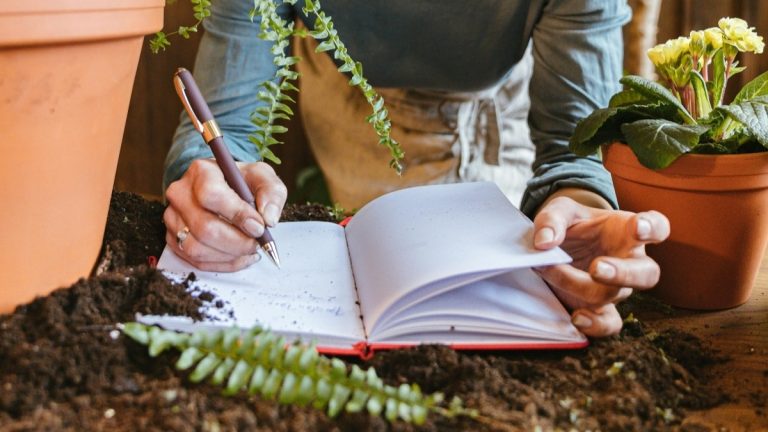
A healthy, fruitful garden doesn’t happen by chance; it’s cultivated through strategic planning, consistent habits, and careful observation. While it’s tempting to rely on memory to manage your planting timelines, soil health, and daily tasks, doing so often leads to missed harvests and repetitive mistakes. A garden journal is far more than a simple notebook—it is an essential management tool that transforms everyday gardening from frustrating guesswork into a productive project. By documenting your gardening throughout the season, you gain the valuable data needed to optimize sowing, prevent recurring issues, and maximize your budget. In this article, we will explore the most effective ideas for structuring a garden journal, providing you with a clear blueprint to track your progress and elevate your gardening practice.
Let’s dig in!
What to Write in the Garden Journal?
There are many things you can track in your garden journal, but the best system is simply the one you will actually use consistently. Here are some highly effective ideas to include in your journal:
Plant Profile
Think of this as a detailed database for your garden. Give each plant its own dedicated page. You can record exactly where you sourced the seeds or starters, the specific variety name (like Cherokee Purple tomatoes), and important details about the plant.
What to include:
- When to sow (inside/outside) and when to plant.
- Growth timeline: days to sprout and days to harvest.
- Specific sunlight, spacing, fertilizing, and watering requirements.
- An end-of-season evaluation: Did this variety thrive in your garden, or should you try giving it different conditions next year?
Map of The Garden
Sketch a rough map of your yard or raised beds and give each area a number.
Strategic crop rotation is crucial. Plants, especially heavy-feeding vegetables, shouldn’t be planted in the exact same spot every single year because it depletes the soil of specific nutrients and invites soil-borne diseases. By mapping out what went where this season, you’ll easily know how to rotate your crops next spring.
Tips for Making a Garden Map:
Mark Compass Directions: Clearly label North, South, East, and West. This helps you remember where the shadows fall as the sun moves.
Mark Permanent Features: Draw in your fences, sheds, bushes, large trees, and water sources first. This shows you exactly the location and how much planting space you have.
Note the Quirks: Mark areas that stay soggy after rain or corners that get extra wind.
Color Code Everything: Use different colors for perennials, flowers, and vegetables. It makes the map much easier to read at a glance.
Weather Log
Environmental factors ultimately dictate the success of your garden. Dedicate a section of your journal to tracking the local weather patterns.
What to track:
- The actual first and last frost dates in your area.
- Unusual heatwaves, unexpected cold snaps, or high winds.
- Heavy rainfall amounts or extended dry spells.
When you notice a plant struggling, you’ll know if weather conditions are responsible or it’s something else.
Pest and Disease
Every garden faces pests and plant diseases, but keeping a record helps you stay one step ahead.
Note the first date you spotted the problem, what the damage looked like, and what treatment you applied. Write down the application rate and the results. Next time those pests emerge, you’ll already have a proven, documented battle plan ready to execute.
Fertilizing Plan
Plants need regular nourishment to perform their best. However, it can be difficult to remember exactly when you last fed the peppers or what type of plant food you gave the tomatoes. Dedicating a section of your journal to a fertilizing schedule takes the guesswork out of feeding your garden.
What to record:
- The exact date of application and the specific plant or garden bed treated.
- The type of fertilizer used (e.g., organic compost, liquid fish emulsion, or a specific synthetic NPK ratio).
- The plant’s visual response over the following weeks.
Tracking this data prevents the common mistake of over-fertilizing and helps you get into a highly effective, custom feeding regimen, saving you time and money.
Soil Health & Amendments
Your plants are only as good as the soil they grow in. Track your soil tests and how you’ve improved the soil over time.
pH Levels: Record your annual soil test results.
Amendments: When did you add lime, sulfur, or ash?
Compost: Note when you topped off your beds with fresh compost or mulch.
Daily Tasks
Keeping a log of your to-dos helps you see exactly what you did and ensures nothing gets skipped.
Watering: Did you deep-water the beds or just a quick mist?
Weeding: Which areas did you clear?
Pruning: Did you pinch off suckers or flower’s deadheads?
Observations: Note down anything important you noticed in the garden.
Transplanting: When did you move the seedlings to their final place in the garden?
Harvest
Track the actual yield of your garden to see exactly how much each plant yielded.
Quantity: Total weight or amount each plant gave throughout the season.
Quality: Was the quality of the produce as expected? If not, what was wrong?
Seed and Budget Tracker
Gardening is a rewarding endeavor, but the costs of soil, mulch, tools, and seeds can accumulate rapidly. Use your journal to keep a running ledger of your gardening investments.
Track which seed companies provided the best germination rates and which local nurseries offered the healthiest starter plants. It’s a brilliant way to see exactly where your money is going and determine which supplies yield the best return on investment.
What to track for seeds:
- Variety and Source: Where did you buy them, and what was the brand?
- Year Packed: Seeds lose viability over time; keep track of their age.
- Germination Rate: If only 20% of seeds sprouted, you’ll know not to buy that brand again.
- Price per packet: This helps you find the best value for your favorite varieties.
What to track for your budget:
- Category: Break it down by Plants/Seeds, Soil/Mulch, Fertilizers/Pesticides, and Tools.
- Total Spend: Seeing the number in black and white helps you plan for next year.
Lessons Learned This Season
This is perhaps the most valuable section of any garden journal. Dedicate a few pages of the notebook to details about new methods, products, and the results. At the end of each month—or at the very end of the season when everything is done—take a moment to reflect on the gardening season.
Writing down every “failure” and result of a new method or a product ensures that you remember what worked and what didn’t for the future. In the moment, you might think you’ll remember, but next spring you’ll be wondering if that fertilizer really did work better than the other one.
Keeping a garden journal is like unlocking a secret gardening superpower! It’s the absolute best way to learn from past growing seasons, figure out what makes your plants thrive, and save yourself a whole lot of time, money, and guesswork.